.webp)
Mastering Stealth and Survival in Little Nightmares II

Little Nightmares II is not just a horror game—it’s a meticulous dance between stealth, timing, and fear management. Every encounter tests your ability to think quietly under pressure, blending puzzle-solving with the raw instinct of survival. For players struggling to get through its haunting world of distorted adults and fragile environments, this guide goes deeply into the art of stealth and survival—how to outwit, outmaneuver, and outlast every terror in the Pale City.
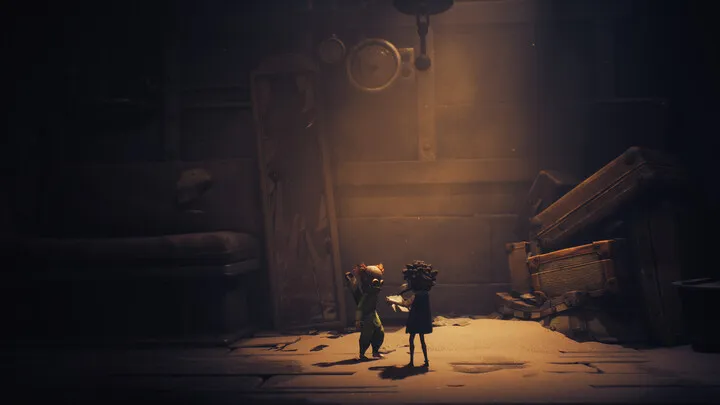
Understanding the Core of Survival Horror
Before diving into strategies, it’s important to understand that Little Nightmares II doesn’t rely on traditional combat or fast-paced gameplay. Instead, it builds tension through vulnerability. You’re not powerful; you’re small, fragile, and hunted. Success depends on your ability to observe, anticipate, and act silently.
The true challenge isn’t just hiding—it’s learning when to move. Each level introduces enemies with unique patterns, and mastering these is the key to survival. Whether you’re sneaking past the Teacher’s grotesque neck or the Hunter’s shotgun blasts, fear becomes your teacher and patience your best weapon.
Observing Enemy Patterns: The Foundation of Stealth
Observation is your most powerful tool. Each major antagonist—like the Hunter, the Doctor, or the Thin Man—follows behavioral loops.
Recognizing Movement and Sound Cues
Every enemy in Little Nightmares II is guided by specific visual and auditory clues. For example:
- The Hunter relies on light and sound. Hide behind furniture or move only during reload pauses.
- The Teacher depends on sound detection. Move when she’s speaking or moving objects.
- The Doctor uses unpredictable patterns. Focus on environmental noises to predict when he’s distracted.
By memorizing these, you transform fear into calculation.
Building Patience Through Trial
The first few encounters are meant to overwhelm. Instead of rushing through, fail intentionally once or twice to observe every detail. The game rewards patience, not reaction.
Using Environmental Shadows to Your Advantage
The game’s lighting design isn’t just for atmosphere—it’s a stealth mechanic. Shadows conceal movement, but they also distort perception.
Blending Into the Environment
Hide in dark corners rather than behind visible objects. For example, in the school, hiding near the blackboard or under desks keeps you unnoticed as long as you avoid sudden noise.
Timing Light Transitions
Lights flicker frequently. Use darkness transitions to shift positions unnoticed. Move when shadows deepen; stop when they recede. Learning these cycles reduces exposure to enemies.
Sound Control: The Difference Between Safety and Death
Little Nightmares II makes sound your friend and enemy. Every footstep, jump, or object interaction can betray your position.
The Role of Ambience
Environmental noise can mask your movements. Thunder, machinery, or footsteps of enemies create “safe windows” for motion. For instance, during the Hunter’s chase, thunderclaps let you sprint without being heard.
Silence as a Weapon
Learn to create silence strategically. Avoid unnecessary jumps or collisions. Mono’s heavy landings or falling debris can alert foes. Crouch walking reduces sound but also slows progress, forcing you to balance risk and stealth.
Mastering Chase Sequences Without Panic
Chase scenes are where most players lose control. They’re designed to trigger panic—but panic leads to mistakes.
Predictive Thinking
Don’t focus on the immediate obstacle. Train your eyes to anticipate two to three steps ahead. Most chase sequences have visual cues—crumbling ledges, glowing escape points, or slightly open doors.
Controlled Movement
Avoid over-pressing directional keys. The game’s physics-based movement makes Mono skid when overcompensating. Short, deliberate bursts of motion maintain balance and prevent falling during jumps.
Memorizing Escape Routes
Every chase can be learned. Once you die once or twice, the route becomes predictable. Treat every death as rehearsal for perfection.
Emotional Control: Staying Calm Under Fear
The psychological element of Little Nightmares II is as important as its mechanics. The game manipulates your sense of safety. You must learn to separate tension from reaction.
Breathing and Resetting
If you feel panic during a section, stop after a failure. Take a moment, breathe, and replay the sequence mentally before restarting. This resets muscle memory and sharpens awareness.
Fear as a Mechanic
Every fear you feel corresponds to a designed reaction. Darkness, slow creaks, and close chases are meant to test composure. A calm mind interprets them as information; a panicked one freezes.
Resource Awareness: Knowing When to Interact

While Little Nightmares II doesn’t have inventory management, it demands selective interaction. Knowing what to pick up—or leave behind—can be the difference between progress and death.
Objects as Tools and Traps
Hammers, switches, and throwable items help you progress, but using them creates sound. For instance:
- Swinging a hammer against porcelain heads creates loud echoes, alerting nearby foes.
- Activating machinery may open paths but also draw attention.
Timing Interactions
Engage with objects during moments of background noise. The clatter of enemies or environmental chaos provides distraction cover.
Partner Dynamics: Trusting and Using Six
Six is not just a companion—she’s an extension of your stealth capabilities. Understanding her AI patterns elevates your control.
Reading Six’s Behavior
Six often hints at the next objective. If she stares or points somewhere, follow her gaze. Her reactions to sounds or objects indicate danger or opportunity.
Cooperative Movements
Use Six’s help strategically—especially in lifts, ledges, and puzzles. Timing joint actions ensures quiet, efficient execution. Avoid triggering her assistance when enemies are too close; her movements can make noise.
Managing Light: Flashlight, TVs, and Visibility
Light sources both help and hinder stealth. Understanding how light affects visibility is essential.
Flashlight Management
Use the flashlight sparingly. It helps reveal paths but exposes you to detection. Move it slowly and turn it off when you hear footsteps nearby.
TV Distractions
TVs are one of the most powerful tools in the game. They attract enemies when turned on, allowing you to redirect threats away from escape routes. Learn how to use this strategically rather than reactively.
Dealing with Boss Fights Strategically
Each boss fight—like the Hunter or the Thin Man—tests a specific combination of mechanics: timing, courage, and patience.
The Hunter
Stay out of his flashlight range. Move only after he reloads. During the chase, slide instead of jumping to maintain speed.
The Teacher
Use desks and shadows to hide. Move when her head is turned, and freeze when she stops. Avoid knocking over books or objects.
The Thin Man
Don’t rush. Every teleport is predictable—memorize his pattern and plan escapes accordingly.
Building a Fearless Mindset Through Repetition
Fear fades with familiarity. The more you replay, the more predictable everything becomes.
Turning Fear Into Mastery
Each enemy ceases to be terrifying once you understand its limitations. Practice each section until fear transforms into precision.
Recognizing Design Patterns
Notice how every horror sequence builds similarly—light, sound, chase, silence. Once you decode these rhythms, you anticipate fear rather than react to it.
Conclusion: From Prey to Predator

Little Nightmares II is not about defeating monsters—it’s about overcoming the psychological power they have over you. Stealth, observation, and emotional composure define success far more than speed or aggression. As you progress, your relationship with fear evolves. You begin as prey, reacting to every shadow. But with patience, practice, and calculated courage, you become the calm presence that moves invisibly through terror.
Mastering stealth and survival in Little Nightmares II means learning to listen to the silence, move with intent, and use fear as your ally. Once you do, the game transforms from a nightmare into an elegant rhythm of survival—where every movement tells the story of quiet defiance against overwhelming dread.